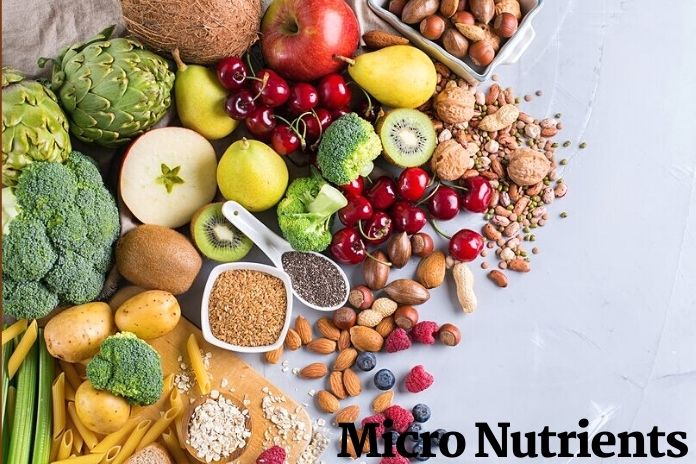
Low-Carb Diet: How It Works, Foods, Types, Benefits, and Risks
What Is a Low-Carb Diet?
Eat as much meat, fish, and dairy products as you want and still lose weight? That’s the promise of some low-carb diets, which reduce carbohydrate intake. While some low-carb programs do indeed promote a balanced diet, others are rather detrimental to healthy weight loss.
How Does a Low-Carb Diet Work?
The term “low-carb” comes from English and means “low carbohydrates”. A balanced diet includes carbohydrates, protein, and fats in suitable proportions to meet the body’s energy and nutritional requirements.
In a low-carb diet, the carbohydrate intake is reduced to 15 to 30 percent (corresponding to approximately 100 to 120 grams per day). The goal of low-carb diets is to stimulate the body to break down fat stores by restricting carbohydrates.
Understanding Ketosis and Fat Metabolism
The body normally relies heavily on glucose for energy, but during ketosis it can also use ketone bodies. If carbohydrate intake is sufficiently restricted, the body may enter ketosis after several days. During this process, the liver produces ketone bodies from fat, which the body can use for energy. This diet is intended to boost fat loss.
How strictly carbohydrate-containing foods are eliminated from the diet varies from one low-carb diet to another.
Moderate versions of the diet, such as the LOGI diet, allow up to 130 grams of carbohydrates per day. LOGI stands for “Low Glycaemic and Insulinemic Diet”, which aims to keep blood sugar and insulin levels low. Strict low-carb diets, like the keto diet, allow a maximum of 15 grams. Extremely radical versions (“no-carb diets”) are almost completely carbohydrate-free.
Which Foods Are Allowed and Which Are Restricted on a Low-Carb Diet?
A low-carb diet primarily consists of protein and fat. Foods high in carbohydrates are only permitted in moderation on a low-carb diet. These include:
- Grain products (such as bread, pasta, rice)
- Potatoes
- Fruits, vegetables and often also legumes with a high carbohydrate content (such as dried fruits, grapes, bananas, corn)
- Sweets
- Alcohol
Since plant-based foods are often rich in carbohydrates, a low-carb diet often consists predominantly of animal products:
- Meat
- Fish
- eggs
- Milk and dairy products
But some plant-based foods are also low in carbohydrates:
- Cooking oils
- Nuts, seeds
- Mushrooms
Fruits and vegetables with a low carbohydrate content (such as cabbage, asparagus, spinach, tomatoes, avocado, apricots, berries, and citrus fruits)
Some low-carb diets also include legumes such as beans, peas, and chickpeas. While they are rich in carbohydrates, they also contain plenty of plant-based protein.
Learn more about which other low-carb foods are suitable for this diet.
Can You Lose Weight with a Low-Carb Diet?
When carbohydrate intake is reduced, the body may use more stored fat for energy. Weight loss still depends on overall energy intake and expenditure.
Some people may experience fewer cravings when they reduce their intake of foods high in refined carbohydrates and choose more fibre-rich options. These changes may also help reduce overall calorie intake.
When Does a Low-Carb Diet Start to Take Effect?
It takes a few days for the body to enter ketosis. During this period, some people may experience fatigue, weakness, or headaches. After a few days, the body will have adjusted, and these symptoms should disappear.
Studies show that rapid and significant weight loss is possible in the first six months. However, in addition to fat, the body also loses a considerable amount of water.
What Are the Different Types of Low-Carb Diets?
Atkins Diet
During the first two weeks of the Atkins diet, only 20 grams of carbohydrates – roughly the amount found in four medium-sized raw carrots – should be consumed each day. Once the desired weight is reached, the carbohydrate intake is increased to 90 grams. Protein and fat, on the other hand, can be eaten in unlimited quantities.
Lutz Diet
The Lutz diet works similarly to the Atkins diet. It focuses on protein-rich foods such as meat, fish, and dairy products – as well as vegetables. Carbohydrates are allowed in moderation.
Glyx Diet
The Glyx diet focuses on foods with a low glycaemic index. These cause blood sugar levels to rise only slowly, thus keeping insulin levels low. Protein-rich foods such as fish, meat, and eggs, high-quality fats such as vegetable oils; and plenty of fruits and vegetables, as well as whole-grain products and other carbohydrate-rich foods, are allowed in moderation. White flour products and sweets are avoided as much as possible.
LOGI Diet
The LOGI diet, like the Glyx diet, prioritises foods that cause only a moderate rise in blood sugar levels: low-carbohydrate fruits and vegetables, high-quality fats, dairy products, and lean meat. The LOGI diet permits carbohydrate-rich foods that cause only a slow rise in blood sugar, such as whole-grain products and legumes, in moderation. Total carbohydrate intake should be between 80 and 130 grams per day.
Dukan Diet
In the first phase of the Dukan Diet, carbohydrates are almost completely eliminated in favour of meat, fish, eggs, and dairy products. In a second phase, certain vegetables are allowed. Later, carbohydrate-rich foods such as whole-grain bread and fruit are permitted again.
Keto Diet
The keto diet, or ketogenic diet, is one of the strictest low-carb diets. Carbohydrate-rich foods are forbidden. Instead, the diet consists of foods high in fat and protein, such as meat, fish, dairy products, nuts, and seeds. Low-carbohydrate vegetables and fruits can be eaten in small quantities. Overall, carbohydrate intake is usually limited to around 20–50 grams per day, although the exact amount varies by diet and individual needs.
Paleo Diet
Followers of the Paleo diet eat only foods that existed or are believed to have existed in the Paleolithic era (hence the name). Their diet consists primarily of meat, fish, fruits, nuts, and vegetables, while grains, legumes, milk, and dairy products are avoided. Daily carbohydrate intake is limited to 50 to 100 grams.
What Are the Benefits of a Low-Carb Diet?
- Protein- and fat-rich foods, the main components of low-carb diets, provide great satiety. Therefore, many low-carb diets don’t require dieting to lose weight.
- A diet that only moderately reduces carbohydrates – for example, the Glyx and LOGI diets – allows for a balanced mixed diet. A nutrient deficiency is not a concern with this approach.
- Studies have shown that a low-carb diet leads to greater weight loss in the short term than a low-fat diet. (However, the differences evened out after one year. In the long term, therefore, restricting carbohydrates does not lead to greater weight loss than restricting fat.
- On low-carb diets, you may reduce foods such as sweets because of their carbohydrate content. Alcoholic drinks vary in carbohydrate content and can also contribute calories.
Low-Carb Diet: What Should You Pay Attention To?
It’s important not to eat too little. This increases the risk of nutrient deficiencies. Even with strict low-carb diets, you should monitor your nutrient intake.
Drink plenty of fluids, preferably mineral water containing sodium. Be careful with special low-carb products, however, as many are high in fat and relatively expensive. Tip: Moderate low-carb diets that focus primarily on vegetables are the healthiest.
Long-Term Health Considerations
There are differing answers to the question of how long low-carb diets can be followed. Some proponents eat this way long-term, but some observational studies have associated certain low-carbohydrate dietary patterns with higher mortality risk. However, findings vary, and the quality and sources of the foods replacing carbohydrates may influence health outcomes.
How to Maintain Weight Loss with a Low-Carb Diet
To maintain weight loss after successfully following a low-carb diet, it’s helpful not to revert to your previous eating habits. Especially with stricter diets, there’s a risk of the yo-yo effect as soon as you return to your pre-diet routine. Tip: Gradually increase your carbohydrate intake, ensure a balanced diet, and incorporate exercise into your daily routine.
What Are the Disadvantages and Risks of a Low-Carb Diet?
Nutrition experts are critical of low-carb diets, which strictly exclude carbohydrates, such as the Atkins diet or the keto diet.
- The diet consists mainly of animal-based foods, whereas many dietary guidelines recommend prioritising plant-based foods.
- Vitamins, minerals, and fibre, which are found in many plant-based foods, are often lacking during a low-carb diet. This poses a risk of nutrient deficiencies.
- Sticking to a strict low-carb diet can be very difficult.
- A low-carb diet can lead to side effects such as headaches, fatigue, or constipation.
- Simply cutting out carbohydrates isn’t enough to lose weight. The calorie balance is also crucial.
- Strict low-carb diets may not be suitable for everyone. People with kidney disease, gout, or other relevant medical conditions should consult a healthcare professional before making major dietary changes.
- High intake of protein and saturated fatty acids can worsen the course of disease in people with certain underlying conditions (such as elevated uric acid levels, kidney failure or vascular diseases).
- Ideally, people wanting to lose weight should learn to eat healthily in the long term. However, this learning effect is lost with strict low-carb diets.
If you suffer from any illnesses, such as gout, diabetes, kidney or vascular diseases, please consult your doctor before changing your diet.
Continue Reading: